technical seo
9 Best SEO Tools That Actually Deliver Results (2026)
Are you ready to find out where most lists go wrong and why these tools truly stand out? We reveal the practical tips and proven performers that others miss.
Published: 7/29/2026
9 Best SEO Tools That Actually Deliver Results (2026)
You've invested in SEO tools, hoping for a surge in traffic. You've set up dashboards, optimized keywords, and tracked rankings. Yet, the results are missing, and you're left asking why growth remains elusive.
The right tool can be the difference between obscurity and visibility. Without it, your content buries itself on page two, unseen by potential traffic. This isn't just an annoyance-it's a missed opportunity that hits your bottom line. Imagine knowing that a single tool could refine your strategy and drive substantial growth, but you're still unsure which one to pick.
By the end of this read, you'll know exactly which SEO tools to trust, what to avoid, and the one actionable change that makes all the difference in 60 days. You'll stop guessing and start applying proven strategies that push your content to the top.
Are you ready to find out where most lists go wrong and why these tools truly stand out? We reveal the practical tips and proven performers that others miss. Stay with us and ensure you never waste time on another ineffective tool again.
⚡ Quick Answer
- 🏆 Best overall: Semrush: Comprehensive all-in-one platform
- 💸 Best budget: Google Search Console: Free and essential for basic insights
- 🚀 Best for content optimization: Surfer SEO: NLP-driven content scoring
Why Most 'Best SEO Tools' Lists Get It Wrong
Industry lists often mislead. They promise top SEO tools but deliver outdated choices. Even testing is rare. Most lists don't touch real-world performance; they recycle criteria based on old data or brand hype. Get past the noise.
| Factor | What It Measures | Why It Matters | How to Evaluate It | Weight/Priority |
|---|---|---|---|---|
| Tool Update Frequency | How often the tool is updated | Ensures relevance with the latest search trends | Check release notes on the vendor's website | High |
| User Feedback | Real-world user experiences | Validates tool effectiveness | Read reviews on third-party sites | Medium |
| Feature Set | Range of SEO functionalities | Critical for diverse SEO needs | Compare features in side-by-side reviews | High |
| Trial and Demo Availability | Access to free trials or demos | Allows firsthand performance testing | Sign up for trials where offered | Medium |
| Price vs. Value | Cost-effectiveness of the tool | Ensures ROI on tool investment | Calculate cost per feature used | High |
The Hype vs. Reality
SEO software is often sold on hype. AI SEO tools promise automation but fail to deliver on complex tasks. Most rank tracking tools claim precision, yet often mismatch actual SERP volatility. Backlink analysis features get the spotlight but neglect to highlight their failure to update databases timely.
Examine the tools' real features against your SEO needs. Don't just rely on flashy demos or marketing. Test each tool to see if it meets your specific content optimization requirements. Practical application wins over theoretical promises.
Beware of Feature Overload Some keyword research tools offer hundreds of features but fail on execution. Choose core functionality over bells and whistles.
Evaluation Criteria
Effective evaluation demands more than skimming specs. Backlink analysis must consider update frequency. Site audit tools should be tested for problem detection capabilities. SEO automation needs proof of time savings. Look deeper than surface-level lists.
Rank tracking accuracy can be assessed by comparing it with local SERP results. For content optimization, ensure tools provide practical tips, not just metrics. Opt for SEO tools with proven real-world testing and case studies, not just unverified claims.
Without proper evaluation, you risk investing in tools that inflate performance on paper but fail in practice. Next, we dive into how to assess these tools thoroughly so your choices reflect true capability, not marketing hype.
How to Evaluate SEO Tools
SEO tools aren't created equal. Here's where most evaluators stumble: They chase features without understanding what truly drives value. This section will reveal key features to prioritize and common pitfalls to avoid when assessing SEO software.
Key Features to Consider
The right SEO tool provides comprehensive data and practical tips, not just flashy dashboards. Focus on platforms offering strong keyword research tools, accurate rank tracking, effective backlink analysis, and thorough site audits. These are the pillars of SEO success. Tools like Semrush and Ahrefs are well-regarded for their comprehensive datasets and detailed reports and are consistently ranked among the best in the industry. Evaluate whether the tool integrates AI SEO capabilities to simplify content optimization and automate routine tasks, as these features can significantly enhance efficiency.
Spotlight on AI SEO Tools Look for tools that use AI to automate and improve. This can free up resources and focus your team's effort on strategic tasks.
However, no tool is perfect. Some may excel in rank tracking but falter in backlink analysis or site audits. Knowing the limitations helps you pick the right mix of tools for your needs.
Common Pitfalls
Don't be swayed by tools that promise the moon but deliver little. Many SEO tools overpromise with features that sound impressive but fail to produce practical tips. They may look attractive, yet their real-world utility is limited. Ensure the SEO metrics a tool provides align with your business goals; otherwise, you'll be stuck with data that's either irrelevant or too dense to act on. Test-drive tools whenever possible to assess usability and data accuracy.
The trap lies in believing more features equal better outcomes. More often, they translate to complexity without tangible benefits. Be wary of tools that have a high learning curve with little payoff.
| Factor | What It Measures | Why It Matters | How to Evaluate It | Weight/Priority |
|---|---|---|---|---|
| Data Accuracy | Reliability of metrics provided | Ensures trust in decision-making | Compare with known benchmarks | High |
| Feature Set | Available tools and functions | Determines versatility and value | Review feature list and match to needs | Medium |
| Usability | Ease of use and user experience | Affects adoption and efficiency | Test user interface and support resources | High |
| Integration | Compatibility with other tools | Enhances workflow efficiency | Check integration capabilities | Medium |
| Cost | Subscription pricing and ROI | Influences budget alignment | Assess price against features and benefits | High |
Understanding what makes a tool effective helps you cut through the noise. Now that you know what to look for, let’s dive into specific tools that set the standard, starting with Semrush.
1. Semrush: The All-in-One SEO Powerhouse
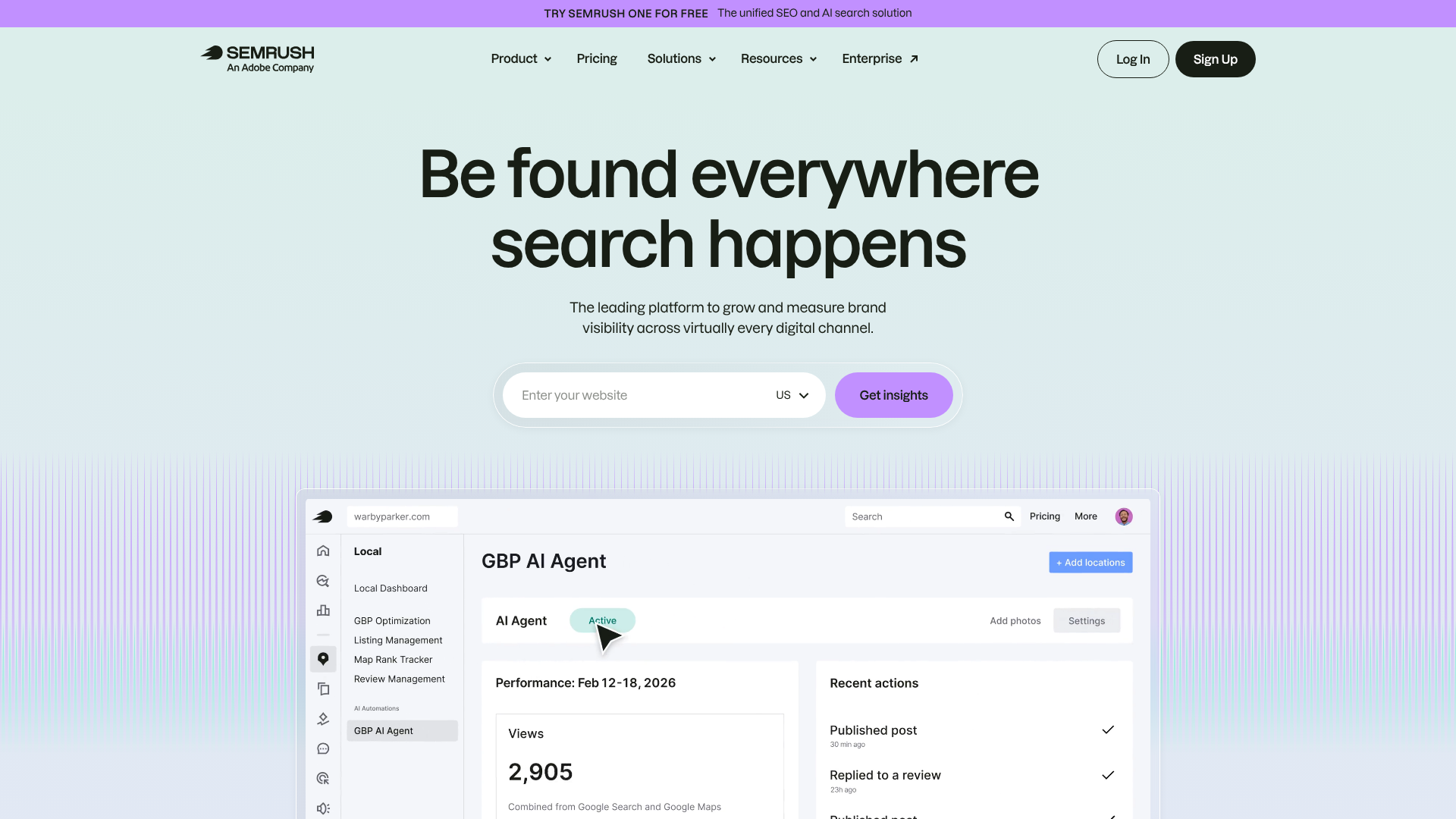
Best for Comprehensive SEO Needs
When you think of a powerhouse in SEO, Semrush tops the list. It boasts the deepest keyword database, offering unparalleled insight into keyword trends and opportunities. From strong site audit features to backlink analysis, it's an all-in-one solution for businesses aiming to dominate search rankings. But here’s the catch: the comprehensive features come at a price, which might be steep for small businesses.
Semrush's keyword research tools are unmatched, helping you discover new keywords and analyze their potential. The platform also excels in rank tracking, providing real-time updates on where your site stands. If SEO software is an investment you're ready to make, the benefits could outweigh the costs-if you use them wisely.
look, But Watch Your Budget Semrush's extensive capabilities can tempt you to overcommit financially. Plan your budget carefully.
Site Audit Tools and Content Optimization
Beyond keyword research, Semrush's site audit features are crucial. They identify technical issues, offering fixes to enhance your site's health. SEO software that includes site audits helps you maintain a competitive edge. Content optimization tools within Semrush simplify the process, guiding you to create SEO-friendly content that resonates with your audience.
One limitation: Semrush can be overwhelming for beginners. Its vast array of tools and data may require a learning curve. However, once mastered, it’s an asset in any marketer’s toolkit.
To fully exploit Semrush without pitfalls, ensure you understand its limitations and strengths. Don’t let the complexity deter you-once you grasp it, each feature becomes a catalyst for growth.
After understanding comprehensive SEO needs with Semrush, Here is how Ahrefs leads in backlink analysis.
2. Ahrefs: The Backlink Analysis Leader
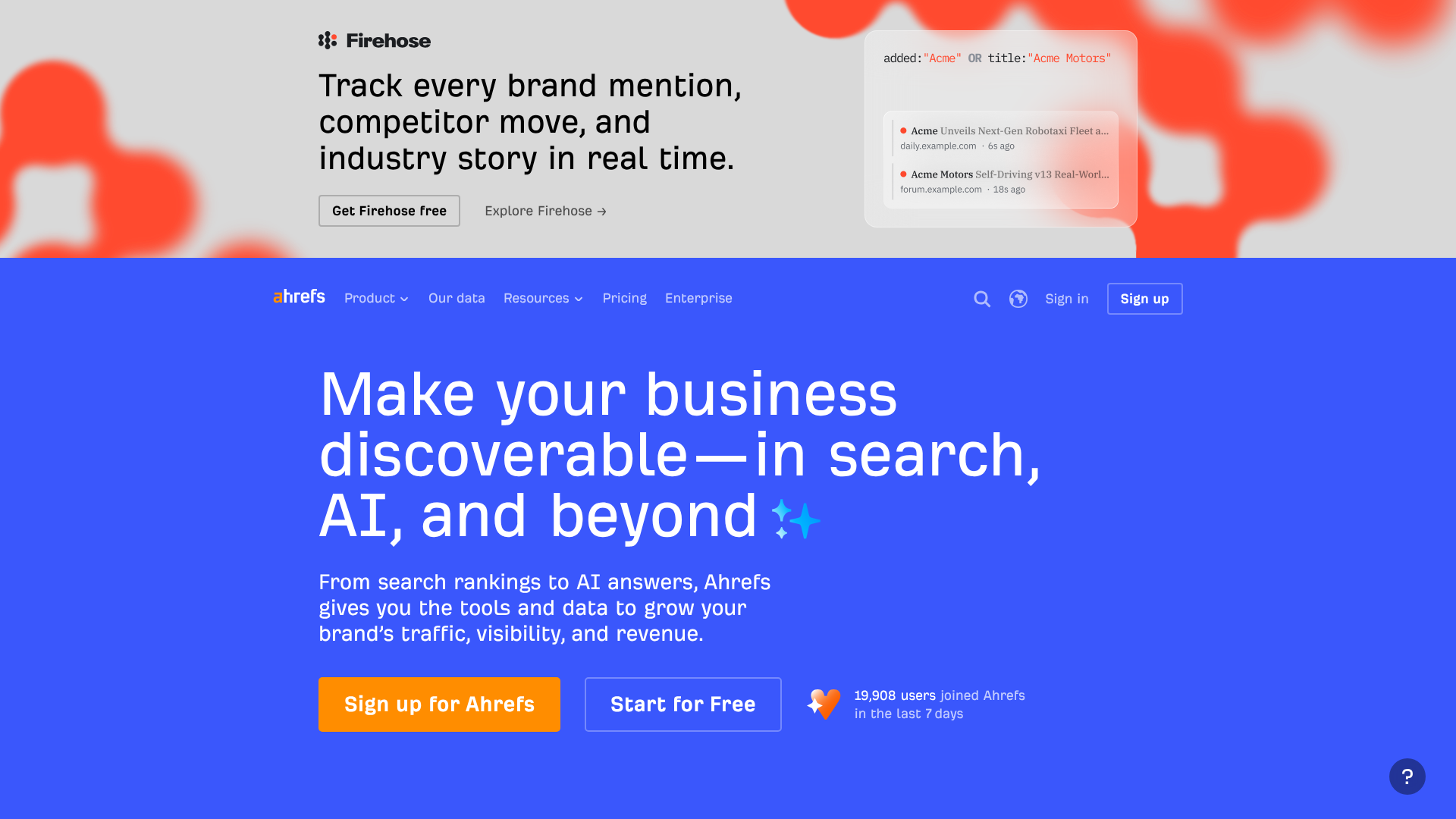
Best for Backlink Research
Ahrefs stands tall as the kingpin of backlink analysis. It's not just the size of its backlink index, but the tools that it entwines with it. Ahrefs offers the largest backlink index in the SEO software space, providing unparalleled depth and detail in link data. If you're serious about understanding your site's backlink profile or spying on your competitors, Ahrefs is your go-to tool.
Beyond sheer volume, Ahrefs excels with its link intersection tools. These tools allow you to identify common linking domains among competitors, revealing easy opportunities and gaps in your own strategy. While other keyword research tools promise insight, Ahrefs delivers the must-have details you can't ignore.
However, Ahrefs isn't cheap. Entry-level plans stretch budgets, especially for those not leveraging the full depth of its capabilities. Many small businesses might find the cost hard to justify if backlink analysis isn't a core component of their strategy. For comprehensive site audits, rank tracking, or content optimization, you might explore more economical options.
Evaluate Your Link Profile Use Ahrefs' link intersection tools to uncover shared backlinks among competitors. It identifies low-hanging fruits to enhance your ranking strategy.
With these capabilities, Ahrefs remains essential for serious SEO professionals. Yet, its high price tag necessitates smart usage to ensure ROI. If link analysis is your battleground, Ahrefs should be in your arsenal. Next up, Here is how Surfer SEO makes content optimization a breeze.
3. Surfer SEO: Content Optimization Made Easy
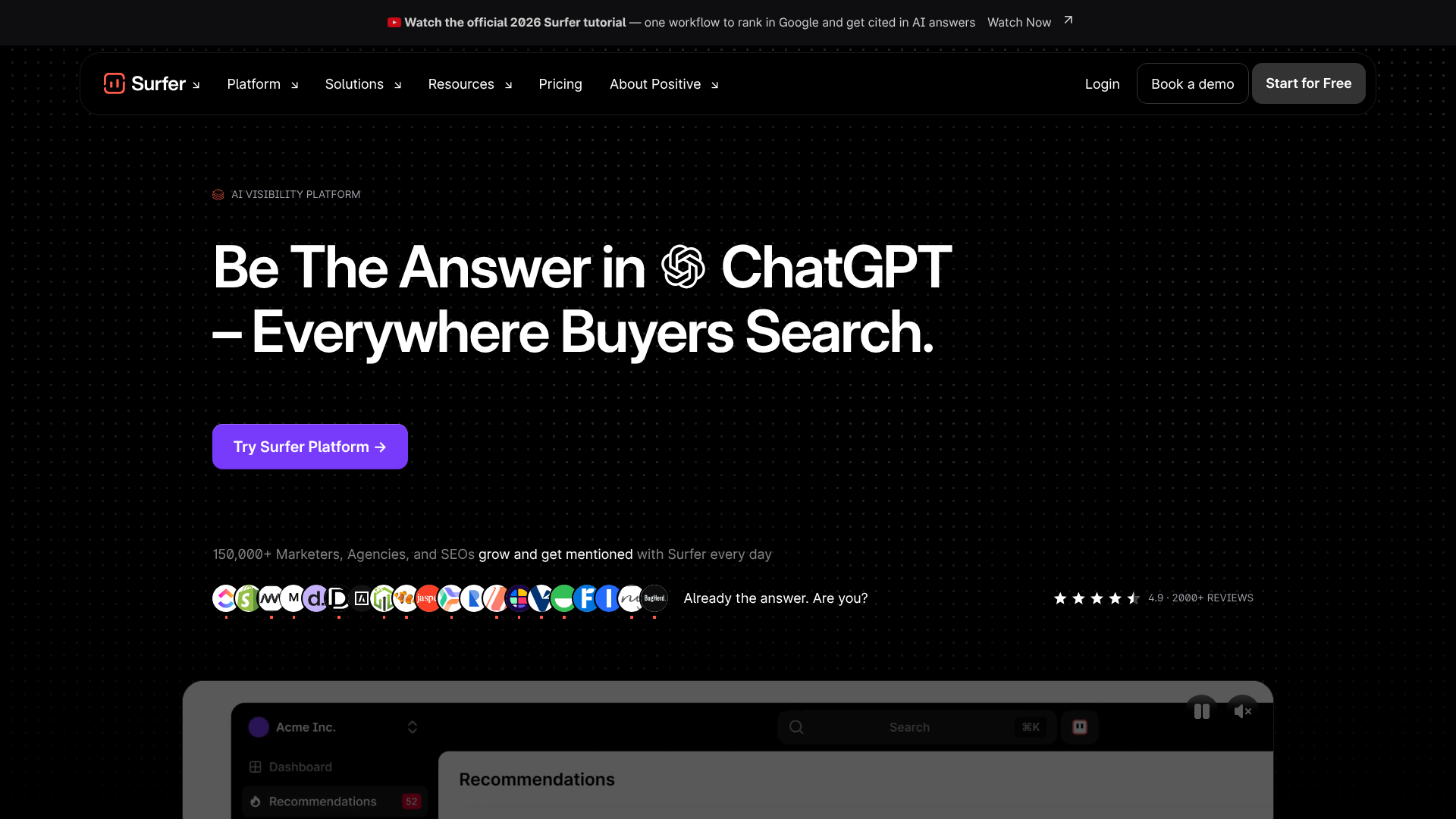
Best for Content Scoring
SEO content isn't just about keywords anymore. That's where Surfer SEO shines, using NLP-driven content scoring to make optimization straightforward. Its real-time SERP analysis digs deeper than keyword frequency. It evaluates your content's relevance against top-ranking pages, ensuring alignment with current search intent. This isn't optional for anyone serious about ranking.
Surfer SEO's strength lies in its ability to analyze and score content based on dozens of on-page factors. The tool provides a clear score that reflects how well your content stacks up against competitors. It highlights gaps, offering specific suggestions for improvement. Whether it's word count, keyword usage, or semantic richness, Surfer guides your content to align with search engine expectations.
Score Optimization Isn't Just Keywords Surfer's scoring system incorporates NLP to analyze content depth and semantic relevance, not just keyword density. It helps you understand what makes top-ranking content succeed.
However, Surfer SEO is not a one-size-fits-all solution. It's limited to content optimization, lacking comprehensive features like backlink analysis or detailed site audits. For these, you'll need to integrate it with other SEO software. But as a content optimization tool, it excels in change insights into actionable steps.
Understanding SERP intent is crucial, but knowing how to act on it is where Surfer SEO excels. This brings us to our next essential tool: Google's own powerhouse for tracking performance-Google Search Console.
4. Google Search Console: The Essential Free Tool
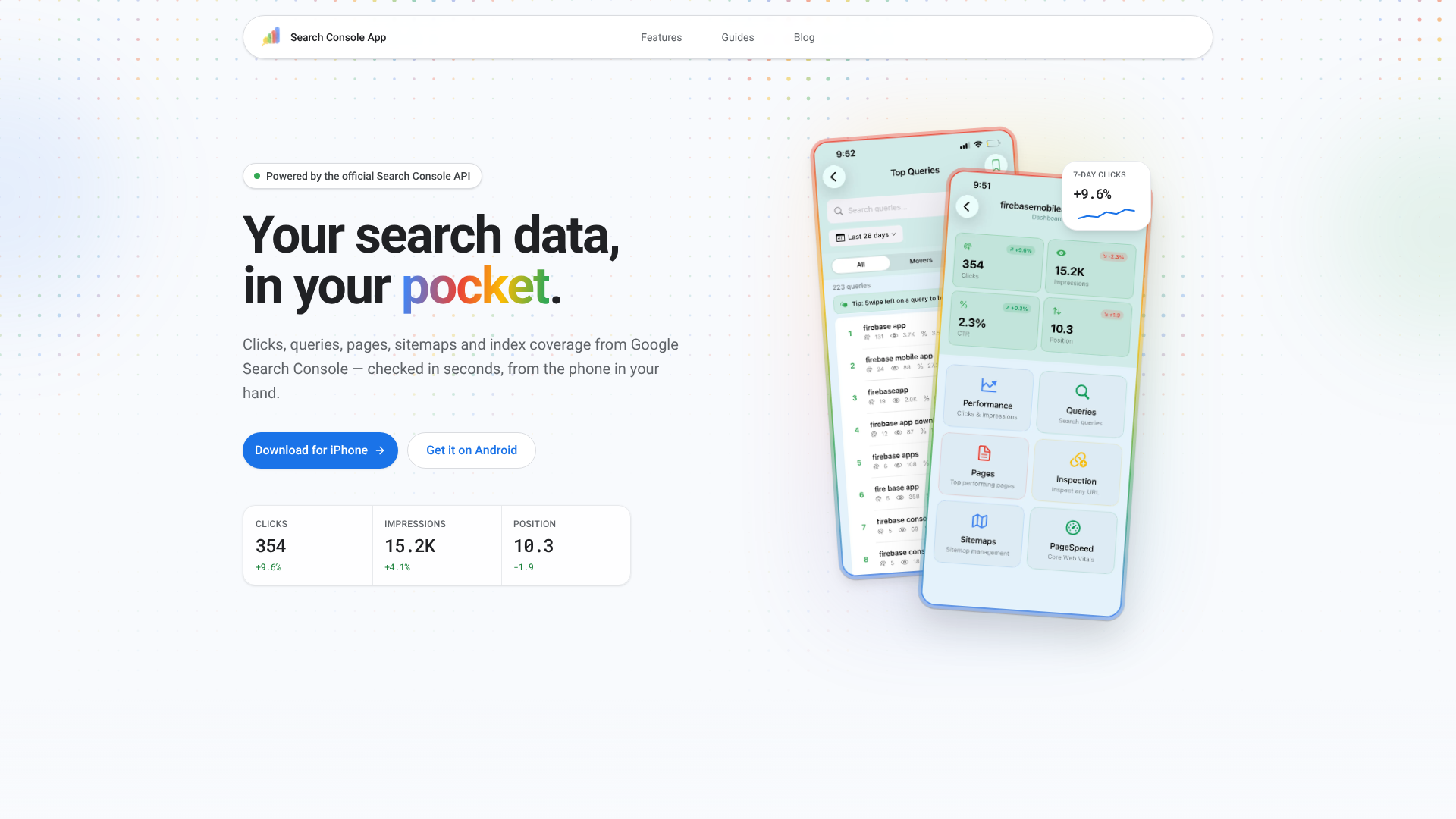
Best for Free Insights
Free isn't worthless if it's Google Search Console. It's your gateway to real Google data without spending a dime. Many SEO software options promise insights, but Google Search Console delivers raw search performance straight from the source. You get keyword data, rank tracking, and even site audit tools all in one place. The catch? It's limited to Google's set of tools, which means for backlink analysis, you'll need another tool.
This tool shines for keyword research tools that give you a direct window into which search terms are driving traffic. Real-time reports on your content optimization efforts can highlight pages needing improvement. The real magic is how it connects SEO automation with actionable data, unlike AI SEO tools that might cloud your vision with too much abstraction. You won't find a better starting point than Google Search Console for identifying quick wins to improve your SEO strategy.
One Tool, One set of tools Google Search Console gives you everything Google-centric and nothing beyond. It’s excellent for beginners but remember to step outside the Google bubble for a full spectrum analysis.
However, it's not without its limitations. It won’t provide a comprehensive picture of external links or competitive rank tracking beyond what's directly affecting your site. Despite this, leveraging the site's data effectively can reveal where your current efforts fall short and where there's untapped potential.
Now, technical optimization requires more than just data. Enter Screaming Frog: The Technical SEO Specialist. Let’s unpack how it complements Google Search Console by diving into your site’s technical depths.
5. Screaming Frog: The Technical SEO Specialist
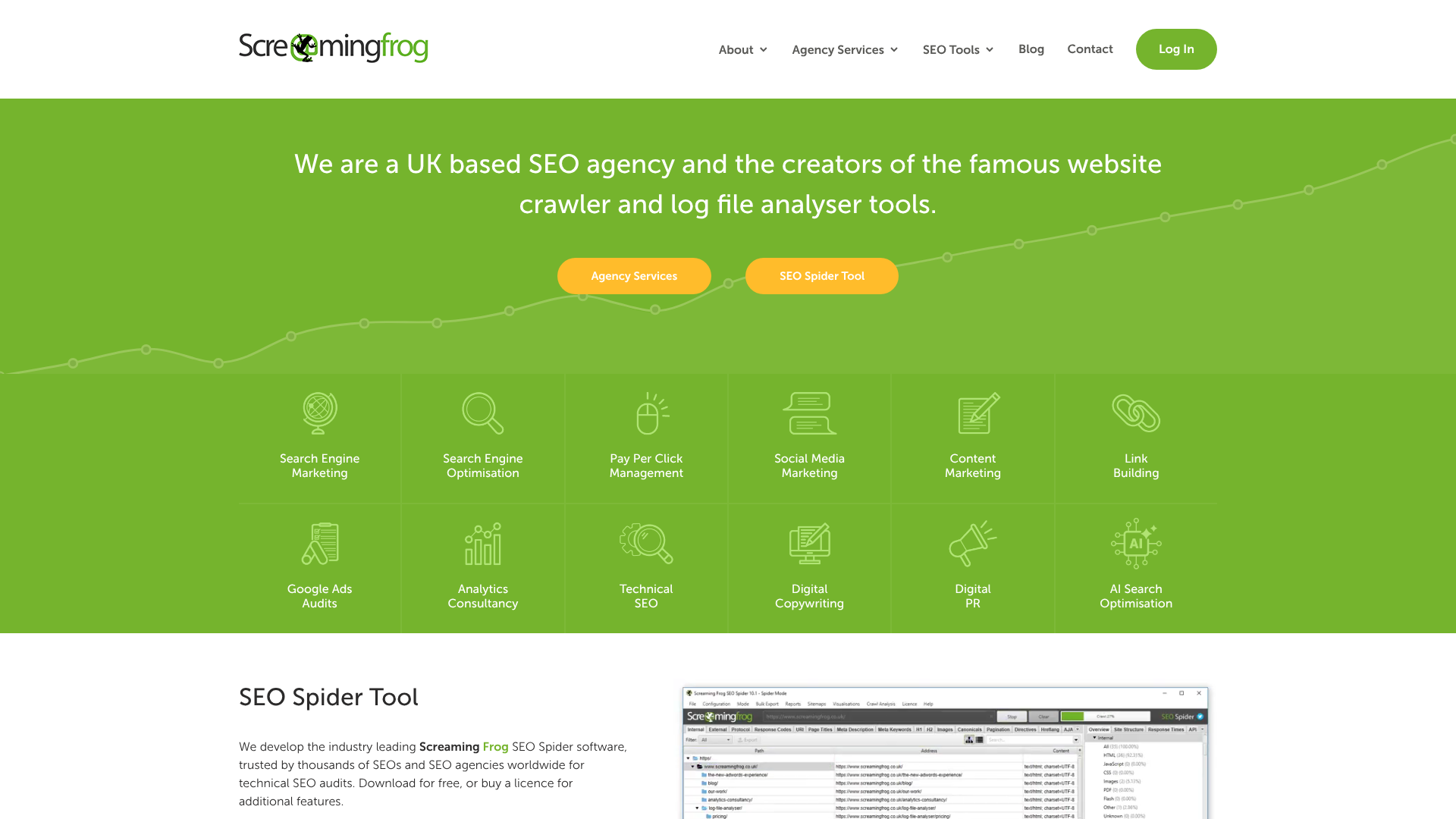
Best for Site Crawling
Screaming Frog remains the unrivaled champion for technical SEO audits. It crawls your site like a search engine, uncovering over 300 SEO issues, including broken links and redirects. Its speed in generating a comprehensive site audit makes it the fastest crawler out there.
The tool's detailed redirect chain analysis is essential for identifying and resolving complex redirection issues. However, Screaming Frog isn't just for the big leagues-you can use it for smaller audits or when conducting site-wide checks. The catch? Screaming Frog can feel overwhelming for beginners. The interface demands a learning curve, especially if you're new to SEO software.
Master the Crawl Screaming Frog excels when you configure it to focus on specific SEO parameters. Tailor your crawl settings to target high-priority issues first.
If you’re not ready to dive into the depths of technical SEO, this tool might initially frustrate you. But for those willing to invest time in learning its capabilities, it’s a powerhouse in your toolkit.
Screaming Frog's SEO Spider is essential for site audits, but mastering its complexity is key to get its potential. This technical prowess bridges perfectly into the broader spectrum of cross-channel visibility tracking, which is where SE Ranking shines.
6. SE Ranking: Cross-Channel Visibility Tracking
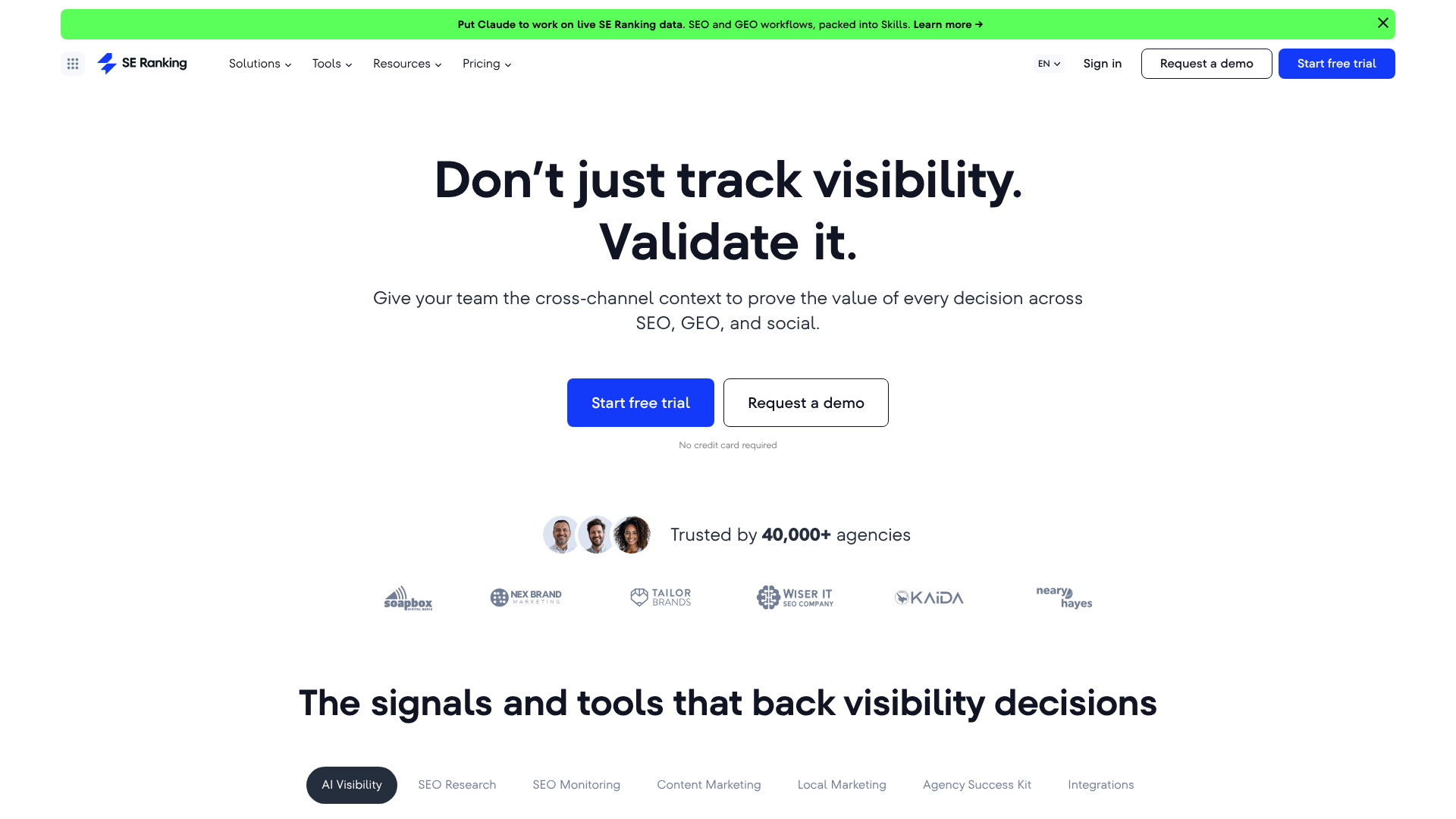
Best for Visibility Tracking
If you're not tracking visibility, you're flying blind. SE Ranking nails cross-channel visibility tracking by integrating traditional search metrics with LLM results and traffic insights. It's not just about where you rank, but how you appear across multiple channels, and SE Ranking makes sure you see it all. This visibility is key to understanding your complete online presence.
But there's a catch: to get SE Ranking's full potential, you need to integrate it with GA4. Without it, you're missing half the picture. The integration process is necessary to pull in crucial traffic data that amplifies SE Ranking's analytical power. This requirement is both a strength and a hurdle-allowing for deep insights but demanding a setup that not everyone is ready to commit to.
Visibility Isn't Just Rankings Don't rely solely on keyword positions. SE Ranking's visibility tracking includes traffic insights and LLM results to give a fuller picture of your SEO performance.
SE Ranking offers strong tools like rank tracking and backlink analysis but sets itself apart with a focus on content optimization and AI-based SEO insights. However, you need to note that SE Ranking is not a one-stop-shop. It excels in visibility tracking but doesn't replace comprehensive site audit tools or advanced SEO automation in other areas.
Now that you're seeing the wider view with SE Ranking, it's time to dig into the details with a classic in the field. Moz Pro is up next, known for its reliable and trusted SEO solutions. If SE Ranking tells you where you stand, Moz Pro tells you exactly what to do about it.
7. Moz Pro: The Trusted Name in SEO
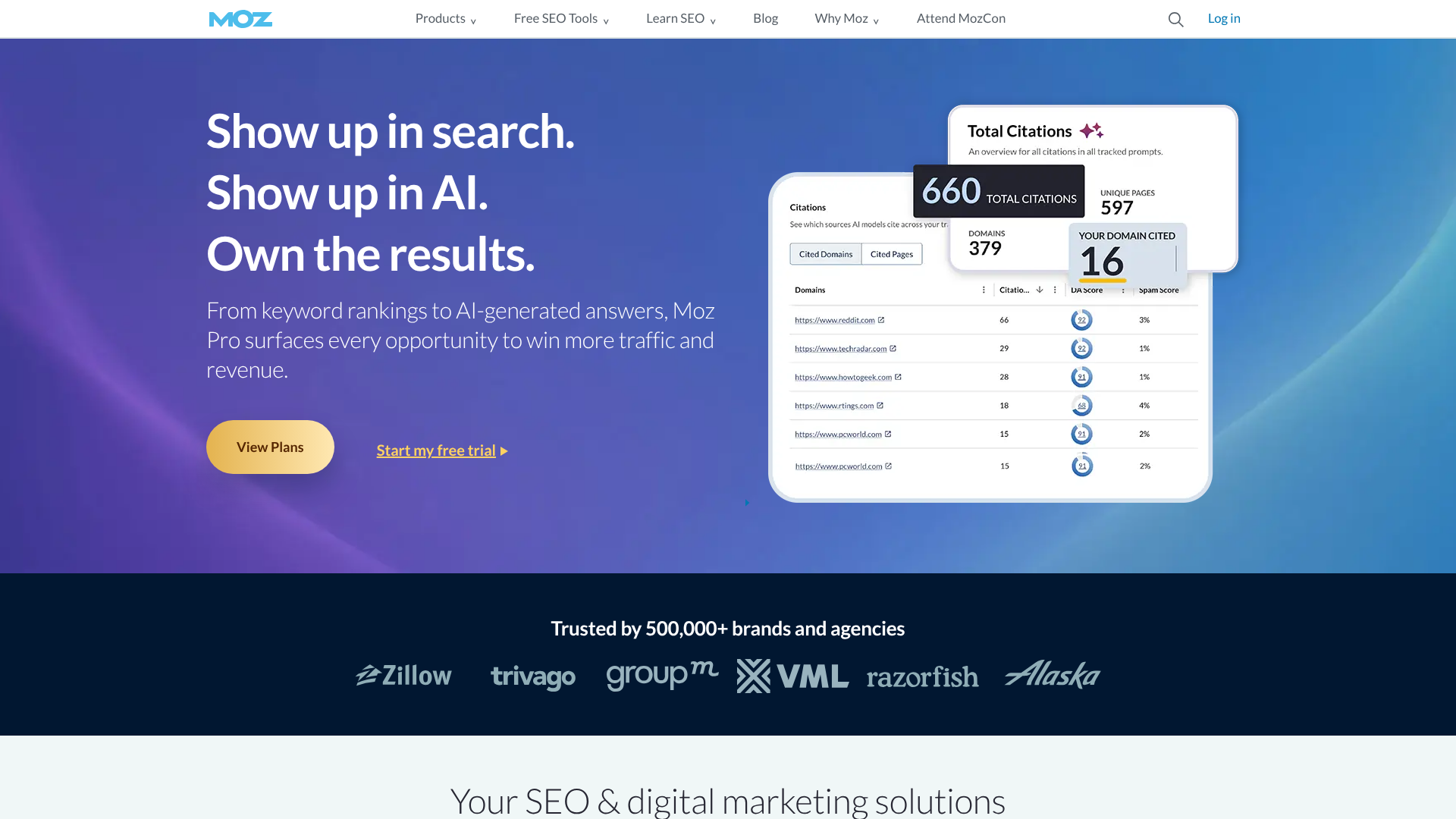
Best for Beginners
Moz Pro is the gateway tool for SEO newcomers. Its user-friendly interface makes complex SEO tasks feel manageable. With a suite of features from keyword research tools to rank tracking, Moz Pro integrates smooth into your workflow without overwhelming detail. For beginners, the straightforward design simplifies tasks like site audit tools and content optimization. You're not just handed tools; you get guidance on leveraging them effectively.
However, there's a caveat. While Moz Pro shines in accessibility, it doesn't dive as deep into data as some competitors. If you're looking for exhaustive backlink analysis, other platforms may offer more granular insights. Its breadth over depth approach suits those starting out but may leave advanced users wanting more.
Don't Overlook Simplicity Opt for Moz Pro if you need a gentle introduction to SEO software. The intuitive interface is matched by helpful tooltips and resources, making it ideal for learning the ropes without being swamped by overly complex data sets.
Moz Pro's strength lies in its ability to help novices become pros, but knowing where it falls short prepares you for the next step in your SEO process. And when it's time to take that next step, optimizing content efficiently becomes vital, which brings us to Frase.io's approach to content briefs and research.
8. Frase.io: Content Briefs and Research
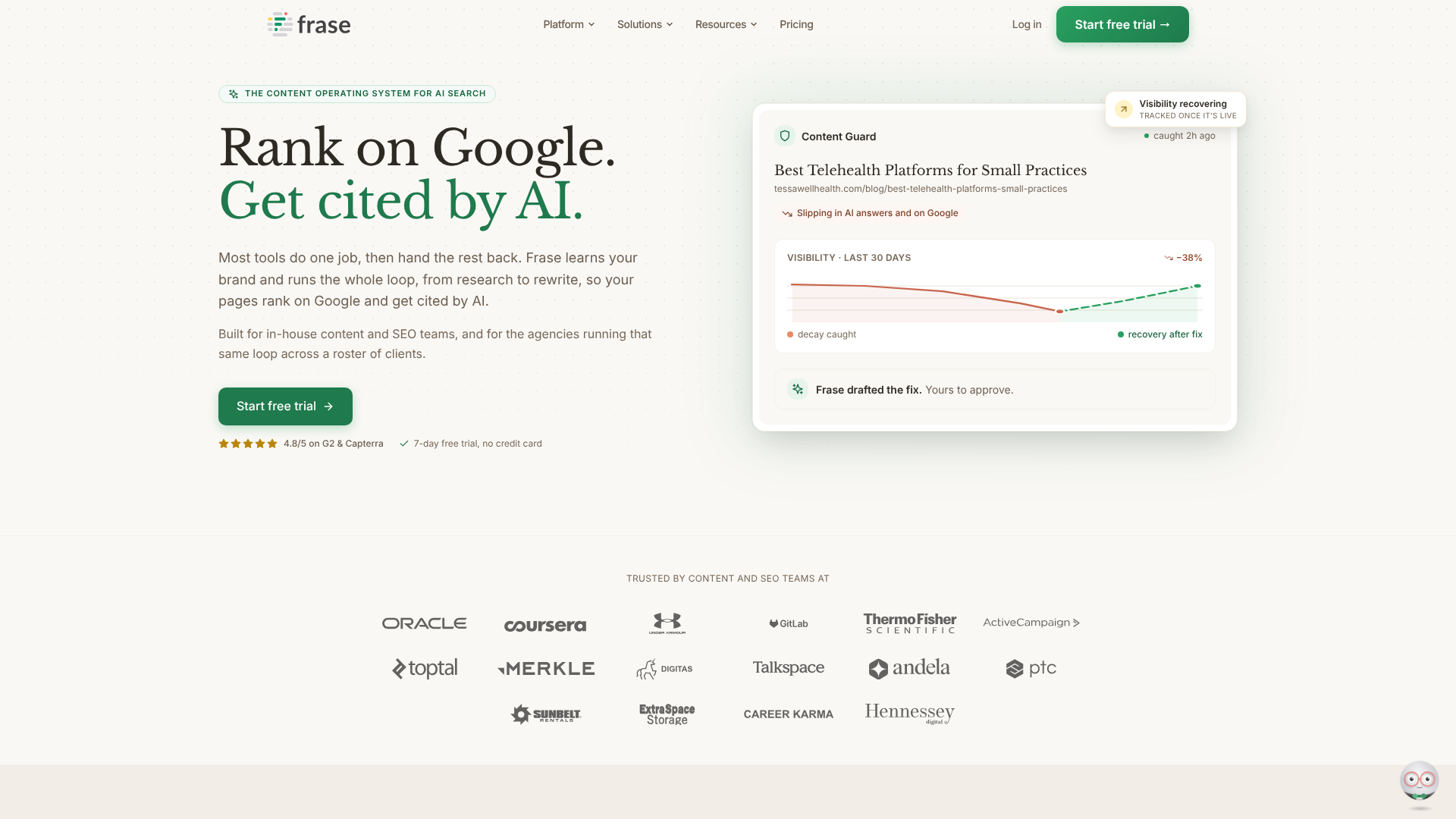
Best for Content Research
Frase.io isn’t just another tool in your SEO software stack; it’s your go-to for creating AI-generated content briefs driven by SERP analysis. While most SEO tools focus on keyword research and rank tracking, Frase.io excels in turning raw data into actionable content strategies. It’s a standout for content creation, giving you a clear path from insight to execution.
The platform uses advanced AI SEO tools to analyze the top-ranking pages for your target keywords, extracting key points and questions your content should address. This focus shifts your content strategy from guesswork to data-backed decisions. However, Frase.io's strength is also its limitation. It specializes in content optimization and doesn't offer extensive features like backlink analysis or comprehensive site audit tools.
Strategic Content Planning Don't get lost in keyword data. Use Frase.io to generate content briefs that tell you what to write, not just who to target.
What makes Frase.io essential is its ability to cut through SEO automation clutter, providing clear, simplify guidance for content creation. But remember, it won't replace a full SEO suite. You’ll still need other tools for aspects like backlink tracking and site health checks.
AI-Generated Briefs from SERP Analysis
Frase.io’s standout feature is its AI capability to create content briefs directly from SERP analysis. These briefs highlight critical topics, questions, and even the type of content that currently ranks. Rather than relying on generic keyword lists, you get tailored guidance that aligns with real-world search intent.
However, while its AI engine provides deep insights, it can sometimes lean too heavily on existing content structures. You might find yourself needing to add your own creative flair to stand out. It's a strong tool for content teams, but it works best when combined with human oversight.
As you see the value in content-informed SEO strategies, it's time to shift gears and explore how Rank Math enhances your WordPress site’s performance.
9. Rank Math: The Rising Star in WordPress SEO
Best for Advanced WordPress SEO
Rank Math is the SEO plugin that turns WordPress into an optimization powerhouse. Its advanced features offer everything from keyword research tools to intricate rank tracking, making it the go-to choice for serious WordPress SEO efforts. But here’s the trade-off: with great power comes potential complexity. Beginners might find its dashboard overwhelming, thanks to the abundance of options and settings.
The plugin excels in content optimization, SEO automation, and even AI SEO tools, catering to those who need depth and precision in their SEO strategy. For users adept at navigating SEO software, Rank Math provides site audit tools and backlink analysis capabilities that rival even dedicated platforms. It's not just about features; it’s about fitting those features into a WordPress environment smooth.
Unveil Rank Math's Potential Before diving in, watch a crash course or tutorial. You'll dodge the steep learning curve and use its full potential early on.
Yet, this plugin isn’t without its limitations. Its sophistication can lead some users astray, especially if they're not familiar with SEO intricacies. To thrive with Rank Math, you need to be prepared to invest time learning its interface and capabilities thoroughly.
In our current space of diverse SEO tools, understanding the range of features and pricing is crucial. Let’s pull back the curtain on how these tools stack up against one another for both features and costs.
SEO Tools: Features & Pricing Comparison
Most SEO tools promise a lot but deliver differently. Choosing the right tool can pivot your SEO strategy from lackluster to leading. Here's how they stack up:
| Tool/Option | Best For | Key Strength | Biggest Weakness | Starting Price | Free Plan? |
|---|---|---|---|---|---|
| Semrush | Enterprise teams | Comprehensive suite | Complex interface | $129.95/mo | No |
| Ahrefs | Link builders | Backlink analysis | Pricey for beginners | $99/mo | No |
| Surfer SEO | Content creators | On-page optimization | Data overload | $59/mo | No |
| Google Search Console | Budget-conscious users | Core metrics for free | Limited data depth | Free | Yes |
| Screaming Frog | Technical SEO experts | Detailed crawls | PC only | £149/yr | Yes |
| SE Ranking | Small businesses | Rank tracking | Limited integrations | $39/mo | No |
| Moz Pro | Trusted users | Page optimization | Steep learning curve | $99/mo | No |
| Frase.io | Content strategists | Content briefs | Limited AI features | $14.99/mo | No |
| Rank Math | WordPress users | smooth integration | Limited outside WordPress | Free | Yes |
Each SEO tool has its unique appeal, but understanding your needs is crucial. If you're an enterprise with vast content needs, Semrush might be your go-to, albeit with a steep learning curve. For backlink connoisseurs, Ahrefs remains unmatched, but novices might find the cost prohibitive. Content optimization enthusiasts will find Surfer SEO's insights valuable, though its data volume can overwhelm. If budget constraints are top of mind, Google Search Console offers basic but essential insights at no cost, though it's not as strong as competitors for in-depth analysis.
Picking the Right Tool Match features to strategy. If technical crawling is key, Screaming Frog is unbeatable, but be prepared to operate on a PC-only environment.
This comparison isn't about finding the 'best' tool-it's about finding the right tool for your strategy. Each option has its strengths and limitations. Choose wisely, knowing what you're getting into. Now, Here is "How to Pick the Right SEO Tool for Your Situation," and refine your choice with precision.
How to Pick the Right SEO Tool for Your Situation
Choosing the right SEO tool isn't about grabbing the most popular one off a list. It's about understanding your specific needs and then matching those to the capabilities of the available tools. Are you focused on keyword research, rank tracking, or perhaps backlink analysis? Maybe it's a combination of all these features you're after. Knowing what you need is the first step. But don't stop there. Your budget matters too. Some SEO software can drain resources faster than they deliver results.
Once you’ve defined your needs, consider combining tools for comprehensive coverage. SEO demands a multifaceted approach. Relying on a single tool often leaves gaps. Using Ahrefs for link profile insights and pairing it with a site audit tool like Screaming Frog can give you a more complete picture. But be wary of stacking tools without an integration strategy; it can quickly become complex and inefficient.
Look out for tools claiming automation magic. SEO automation can help with repetitive tasks, but it’s not a substitute for strategic decision-making. Tools like SEMrush offer automation in certain areas, but you need to manage these features actively. Even the best AI SEO tools need a human touch to guide them. Overselling automation is where many get tripped up.
Price is another critical factor. Compare the pricing structures of tools like Moz and SE Ranking. Moz Pro offers a comprehensive suite, but its full capabilities may not be necessary for smaller teams or individual SEOs. Meanwhile, SE Ranking provides flexible pricing that can benefit smaller budgets while still delivering essential features.
Mind the Integration Overhead Not all SEO tools play nicely together. Before adding a new tool to your arsenal, ensure it integrates smooth with your existing stack. Lack of integration can lead to duplicated efforts and missed opportunities.
Don't let yourself be lured by feature lists alone. Visit resources like marketermilk's breakdown of SEO tools in 2026 to see how tools perform in real-world scenarios. Real-world application trumps theoretical feature lists every time.
In the end, the right SEO tool is the one that fits your specific situation, not the one with the most awards. Your needs, your budget, and your existing tech stack-all these should guide your decision. Choose wisely, and let your SEO strategy flourish.
The secret to moving from insights to results in record time
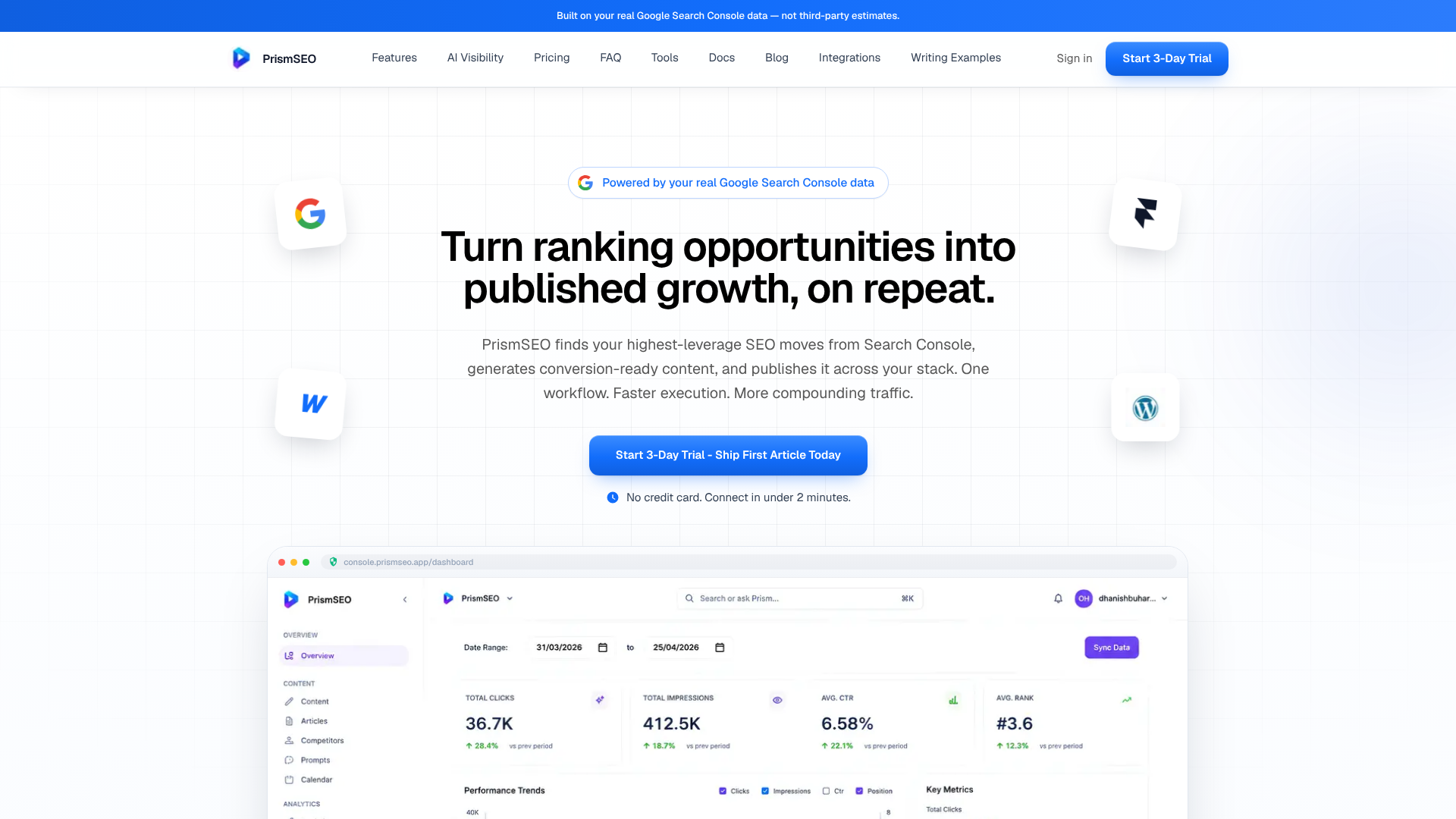
Each tool on our list excels in its respective domain. Semrush and Ahrefs offer strong keyword analysis and competitive insights, helping you understand where you stand digitally. Surfer SEO and Frase.io guide content optimization with incisive recommendations. However, a common shortfall across these platforms is their focus on delivering insights without smooth bridging the gap to execution. They often leave teams navigating multiple steps to change data into live, traffic-generating content. This is where we built PrismSEO to address a distinct challenge. Instead of providing another analysis tool, PrismSEO leverages your real-time Google Search Console data to change ranking opportunities into expertly crafted, publish-ready content in a single workflow. Our platform prioritizes practical tips, facilitates high-quality content creation, and supports one-click publishing. By focusing on execution, we enable growth teams to continuously generate traffic without increasing headcount, ensuring that valuable data is not just observed, but actively utilized to drive results.
Frequently Asked Questions
Q1: What are the best SEO tools in 2026?
The best SEO tools in 2026 include Semrush, Ahrefs, and Surfer SEO for their comprehensive features and real-world performance.
Q2: How do I choose an SEO tool?
Choose an SEO tool based on your specific needs like keyword research, backlink analysis, and budget constraints. Consider combining tools for optimal results.
Q3: Are free SEO tools effective?
Yes, free SEO tools like Google Search Console provide essential insights, but they may need to be supplemented with paid tools for advanced features.
Q4: Which SEO tool is best for beginners?
Moz Pro is often recommended for beginners due to its user-friendly interface and comprehensive SEO features.
This article was researched and drafted with PrismSEO, then reviewed before publishing.