Built on your real Google Search Console data — not third-party estimates.
W
Powered by your real Google Search Console data
Turn ranking opportunities into published growth, on repeat.
PrismSEO finds your highest-leverage SEO moves from Search Console, generates conversion-ready content, and publishes it across your stack. One workflow. Faster execution. More compounding traffic.
Teams using PrismSEO to ship consistent SEO output without scaling headcount.
Unique Features
One growth engine from keyword signal to published page
Most tools stop at dashboards. PrismSEO closes the execution gap: discover opportunities, generate strategic content, publish instantly, and track movement from one control plane.
AI Answer Engine
PrismAI SEO Insights
Ask why rankings dropped, what to fix first, and where your fastest upside is hiding. Every answer is grounded in your live Search Console data — specific, explainable, and ready to act on.
Ask Prism
Live GSC data
Which pages are losing ranks this week?
Biggest drop detected: /pricing
Clicks down 18% WoW. Main loss is from "seo content automation" moving from #5 to #11.
Refresh H2 structure for intent match
Expand comparison section with proof points
Ship update within 24 hours
Live Position Tracking
Keyword Rankings
Track every keyword daily and catch volatility before it costs you traffic. Zoom straight to your position 6–20 terms — the ones where a single focused update can win page one.
Keyword ResearchUnited States
dental clinic
Total volume: 7,858,700Avg CPC: $8.84
KeywordVolumeDifficultyCPC
dentist near me
1830.0k
61$13.35
dental insurance
201.0k
69$9.54
pediatric dentist
201.0k
21$11.30
dental clinic near me
135.0k
35$12.21
Pipeline Automation
AI Article Generation
Turn a keyword gap into a publish-ready draft in minutes — SERP-aware structure, intent-matched sections, and real internal links baked in. It reads like an editor wrote it, not a bot.
Article GenerationPreview ready
best async collaboration apps
Researching competitors
Building outline
Writing sections
Ready to publish preview100%
Why Async Collaboration Wins for Modern Teams
Teams shipping faster in 2026 are not in more meetings. They are using async workflows, clearer writing, and tighter decision logs. This guide breaks down the playbook.
What this article covers
Intent-matched headline strategy
Section-by-section structure flow
CTA and internal linking strategy
~4,200 words generated
Scheduling Engine
Content Calendar on Autopilot
Plan a month of content in one sweep. PrismSEO maps opportunities to dates and holds your publishing cadence, so growth compounds without daily coordination.
Content CalendarSteady plan
3/week cadence
12 planned
Avg KD 27
MonTueWedThuFriSatSun
1
best car wash near downtown
KD 8
2
3
4
mobile car detailing service
KD 17
5
6
touchless car wash benefits
KD 26
7
8
9
ceramic coating after wash
KD 35
10
11
interior detailing checklist
KD 44
12
13
14
best wax for black cars
KD 16
15
16
rainy season car care tips
KD 25
17
18
19
express wash vs full detail
KD 34
20
21
fleet vehicle wash plan
KD 43
22
23
24
pet hair removal detailing
KD 15
25
26
engine bay cleaning guide
KD 24
27
28
29
weekly car wash routine
KD 33
30
Improving plan quality and lowering KD...100%
One-Click Publishing
Auto-Publish to Any Platform
Publish everywhere from one place — WordPress, Framer, Webflow, or your own webhook. Content goes live with clean formatting and no copy-paste chaos across half a dozen tabs.
Auto-Publish
ON
Publishing article
car wash subscription pricing guide
Framerqueued
Webflowqueued
VIXqueued
API Endpointqueued
Publishing across destinations...0%
Gap Intelligence
Competitor Gap Analysis
See exactly where competitors outrank you, then turn those gaps into a prioritized content hit list. Filter by intent, volume, and difficulty so you work the opportunities that actually move revenue.
Competitor Gap Analysislive scan
KeywordYourCompGap
best express car wash#17#5
+12
monthly car wash membership#21#7
+14
ceramic coating near me#14#6
+8
interior detailing service#19#8
+11
Priority opportunities
monthly car wash membershipKD 39 → 31
best express car washKD 44 → 36
interior detailing serviceKD 32 → 24
Benefits
Why high-velocity teams choose PrismSEO
Less reporting theater. More ranking progress you can measure.
Decisions backed by first-party search signals
Most SEO stacks rely on modeled numbers. PrismSEO reads your real Search Console history, so every recommendation reflects what your site is actually winning, losing, and close to capturing.
From keyword opportunity to live page in one flow
No messy handoff between research docs, writers, and CMS tabs. PrismSEO takes you from insight to published asset in one controlled workflow your team can repeat every week.
Agency-level output without agency drag
Stop paying for slow cycles and generic playbooks. PrismSEO gives you prioritized strategy and execution speed at a fraction of typical retainers while keeping control in-house.
Built for lean teams, not SEO specialists
You do not need an in-house SEO lead to move rankings. PrismSEO surfaces what to do next, why it matters, and how to ship it quickly with confidence.
Catch drops early and recover faster
Daily tracking highlights volatility before it becomes a traffic cliff. PrismSEO flags likely causes and gives you a direct path to recovery while competitors are still reacting.
Consistency becomes your unfair advantage
Search growth compounds when shipping is consistent. PrismSEO plans, generates, and publishes on cadence so your team builds momentum without adding execution overhead.
Content Quality
Content that sounds expert, not obviously AI
Every draft follows a quality pipeline: SERP research, strategic outline, structured generation, and a final polish pass before publishing.
SERP context before first draft
Each article starts with live competitor and intent analysis, so structure and angle are grounded in what already earns clicks.
Strategic outline before generation
Heading architecture, intent coverage, and metadata are mapped first. The draft follows strategy, not random token output.
Humanized prose, not AI sludge
Drafts go through a quality pass to remove repetitive phrasing and make the final piece read like edited editorial content.
Internal links baked into workflow
Define linking rules once, then every article follows them automatically to strengthen topical authority without manual cleanup.
Tone and structure controls per brand
Use reusable preferences for voice, CTA style, formatting, and depth so outputs stay consistent with your brand every time.
Review gates before anything goes live
Auto-publish is optional. Drafts can stay in review until approved, giving you speed and control in the same pipeline.
Real Output
Actual articles, generated by PrismSEO
Not mockups — full, unedited articles straight from the pipeline, across totally different niches. Scroll any of them end to end.
Meta title & description generated automatically
Meta description
Discover 5 low-light indoor houseplants that are nearly impossible to kill. Ideal for busy people who want easy-care greenery at home.
5 Best Low-Light Indoor Houseplants That Are Hard to Kill (2026)
You've attempted everything to keep those leafy greens alive in your dimly lit apartment. You've tried moving them around, talking to them (no judgment here), and even installed a fancy grow light. But let's face it, they always end up looking like something out of a zombie movie, and you can't figure out why.
Here's the thing: having thriving houseplants isn't just about aesthetics. They improve air quality, improve your mood, and give you a sense of accomplishment-when they're not basically mulch. This is more crucial than it seems, especially when your living space doubles as an office, gym, and sanctuary. In short, when your plants die, something in your living environment wilts with them.
You need to know which plants will not just survive, but thrive under the challenge of low light. You'll learn about eight hardy varieties that require minimal care yet make a big impact. These aren't just pretty faces; these are the resilient warriors of the plant world, ready to make your space feel alive again.
The catch? Most low-light plant guides miss crucial details that could make all the difference. Get ready to discover the overlooked secrets and debunked myths-because knowing is better than guessing For your indoor jungle.
⚡ Quick Answer
🏆 Best overall:Snake Plant: Known for its air-purifying qualities and resilience.
💸 Best budget:Pothos: Affordable and grows quickly with minimal light.
🚀 Best for offices: ZZ Plant: Thrives in low light and requires little water.
Why Most Low-Light Plant Lists Get It Wrong
Most lists promising low-light plants set you up for disappointment. They tout plants like they’re instant indoor greenery solutions, yet overlook a key factor: actual resilience. Your Pothos might be a supposed shade-loving champion, but without attention, it wilts faster than a bad joke. Here’s what’s often missed:
Factor
What It Measures
Why It Matters
How to Evaluate It
Weight/Priority
Light Requirements
Minimum light a plant needs
Incorrect light levels stunt growth
Check plant labels for "low light" rating
High
Resilience
Ability to withstand neglect
Prevents plant death during busy periods
Research plant survival stories
High
Water Needs
Frequency of required watering
Over/under-watering kills plants
Feel soil moisture before watering
Medium
Growth Rate
Speed of plant growth
Fast growers require more maintenance
Monitor height over months
Low
Temperature Tolerance
Survivability in varying temps
Prevents shock from temperature changes
Check online care guides
Medium
The Hype vs. Reality
Snake Plant, Pothos, and ZZ Plant often headline low-light lists, but not all live up to the hype. Many get categorized as easy-care houseplants because they survive in bad conditions, not because they thrive. Sure, a ZZ Plant handles low light, but it grows sluggishly, leaving your space drab. Some plants can endure dim spaces, but "endure" is the key word here, not "flourish."
Light Requirements Lie Shade-loving claims mislead many buyers. Use a light meter app to verify true conditions in your home.
Evaluation Criteria
Successful indoor plant maintenance starts with evaluating resilience. Not every indoor greenery solution fits every lifestyle. Plants touted as hard-to-kill often form the backbone of easy-care houseplants, but assessing them on resilience rather than marketing claims is critical. Next, let’s dive into evaluating low-light houseplants effectively, turning marketing promises into green realities.
Understanding light needs isn't just a checklist item; it's the make-or-break factor for your indoor greenery. Shade-loving plants don't mean no light; they require indirect light to thrive. The challenge is in evaluating your space's light levels honestly. Use a light meter app on your phone to measure lux levels near windows and shaded spots. Aim for 50-250 lux for most low-light plants.
Factor
What It Measures
Why It Matters
How to Evaluate It
Weight/Priority
Lux Levels
Light Intensity
Determines adequate lighting for growth
Use a light meter app
High
Light Duration
Hours of Light
Affects photosynthesis and health
Track daylight hours
Medium
Light Meter Insight Your phone can measure lux levels. Try it before moving plants.
Watering Needs
Overwatering is the most common way to kill a plant faster than neglect. Easy-care houseplants prefer to dry out between waterings. Stick your finger into the soil about an inch deep; if it feels dry, it's time to water. Create a consistent watering schedule but adjust it based on seasonal humidity and plant response.
Growth Rate
Not all low-light plants grow at the same speed. Resilient plants like the snake plant grow slow and steady, making them perfect for those who prefer minimal indoor plant maintenance. Rapid growers, however, demand frequent repotting. Choose based on your willingness to manage plant growth and space constraints.
Knowing how to evaluate these factors leads naturally to our first contender: the Snake Plant, the epitome of a hard-to-kill indoor marvel.
1. Snake Plant: The Unkillable Classic
Think owning houseplants means constant fussing? Meet the snake plant, your new best friend. Known officially as Sansevieria, it thrives on benign neglect. Forget to water it? No problem. This plant shrugs off missed watering like a champ. Snake plants are often touted as low-light plants, making them ideal for corners that rarely see the sun.
Beyond resilience, snake plants also double as natural air purifiers. They filter toxins, improving indoor air quality even when you forget they exist. Their hard-to-kill nature and air-purifying ability make them a perfect fit for busy lifestyles and those with a less-than-green thumb. If you’re looking for easy-care houseplants that fit into your indoor greenery collection without needing constant attention, this is your go-to.
The NASA Effect Snake plants aren’t just decoration. Lab results from NASA’s Clean Air Study revealed that they remove toxins like formaldehyde and benzene from the air, making them a living air filter.
Of course, even resilient plants like the snake plant have a weakness: overwatering. These plants prefer their soil dry, so fewer waterings mean happier plants. Think of the snake plant as the Bruce Willis of greenery-hardy, reliable, and always there to save the day, even in “Die Hard” conditions. Low-light plants like these make indoor plant maintenance less of a chore and more of a relaxed affair. Ready for budget-friendly alternatives? The next section introduces you to Pothos, a plant that won't hit your wallet hard.
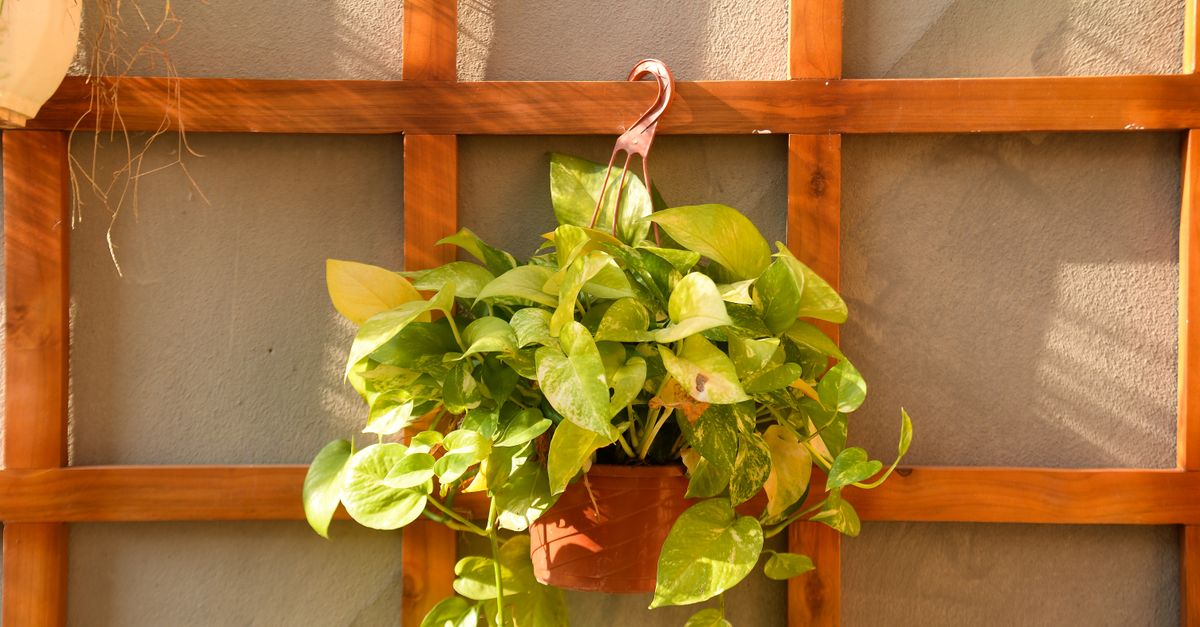
Want a houseplant that's both forgiving and fast-growing? Epipremnum aureum, also known as Pothos, is your go-to choice. It's not just a low-light plant; it's a plant that thrives even where sunshine seems like a myth. Perfect for those dim corners you wish had a little life.
Pothos grows at a speed that could rival a teenager's appetite, and it's as frugal as they come. Buying one plant can lead to many, simply by snipping and propagating cuttings. Talk about getting your money's worth. If you're someone who forgets about the watering can, you're in luck. This shade-loving plant doesn't mind dry spells. Just avoid drowning it, and it will keep on impressing with its lush, trailing vines.
Propagation Payoff Got a healthy Pothos? Clip a stem with a couple of leaves, place it in water, and watch roots grow. It's plant magic for practically zero cost.
Now, let's manage expectations. Pothos is resilient, but don't expect it to thrive in a black hole. While it handles low-light conditions well, it won't flourish in absolute darkness. As for pests, it might occasionally attract the odd mealybug, but nothing a quick wipe won't fix. So, if you're aiming for a living indoor greenery that demands little in return, Pothos is your new best friend.
Ready for a plant that does more than just sit pretty? The next contender on our list doesn't just thrive in low light-it purifies the air. Meet the Peace Lily, a beauty with benefits.
3. Peace Lily: The Air-Purifying Beauty
Peace Lilies, or Spathiphyllum, aren't just another pretty face in the world of houseplants-they're hard-working air purifiers. NASA famously included them in its list of top air-filtering plants, tackling common indoor toxins like ammonia and formaldehyde. Plonk one of these in your low-light corner, and you're halfway to a cleaner living space. Just don't expect miracles; they won't replace your HVAC system.
Moderate watering is key. Too much, and your Peace Lily will droop like a wilted comedy routine. Too little, and the leaves crisp up faster than they can filter air. Aim for keeping the soil moist but never waterlogged. It's a balancing act that even first-time plant parents can handle with a bit of attention.
Peace Lilies are also flowering plants, gracing your home with striking white blooms. But don't be fooled-these are shade-loving plants that thrive in dim corners. Living in the shadows suits them, and it's where they become some of the most resilient plants in your indoor greenery collection. For more insights on maintaining this balance, check out YouTube · Perfect Plants Nursery’s breakdown on hard-to-kill houseplants.
The Overwatering Trap Most people drown their Peace Lilies in a misguided attempt to show extra care. Stick to moderate watering; these plants tell you when they've had enough.
Next up? The Chinese Evergreen, another stalwart in the ranks of low-light warriors. Its colorful foliage and adaptable nature make it a perfect follow-up in our easy-care series.
Most plant enthusiasts overlook Chinese Evergreens, thinking they need more care than they actually do. But Aglaonema, with its vibrant variegated leaves, defies that assumption. This plant thrives in low-light corners, bringing bursts of color where most plants would struggle. The irony? It's as low maintenance as any seasoned gardener's favorite.
Chinese Evergreen is among the best choices for anyone who loves indoor greenery but can't commit to a demanding care routine. It tolerates infrequent watering, making it a perfect fit for those who forget their watering schedules. Its resilience means it survives in conditions many would consider inhospitable for houseplants.
Color without Compromise For a splash of color in low light, Aglaonema is unmatched. Forget the high-maintenance myths; this plant thrives where others fade.
Even the most forgetful plant owners will find success with this strong plant. As one of the hardiest indoor choices, it doesn’t just survive-it thrives with minimal effort. A genuinely easy-care houseplant, the Chinese Evergreen can be the cornerstone of your indoor plant collection without demanding constant attention.
Understanding its durability makes it clear why it's a staple in lists of hard-to-kill plants. Yet, the allure of its colorful foliage is often what wins people over. Once you've experienced the ease of nurturing this plant, it naturally leads to exploring other adaptable options, like the equally versatile Philodendron. Let’s dive into that next.
5. Philodendron: The Versatile Grower
5. Philodendron: The Versatile Grower
If you've ever killed a plant, blame the plant, not yourself. Enter the Philodendron, the ultimate low-light survivor. Unlike your fussy ficus, Philodendrons adapt to almost any indoor condition, shrugging off neglect with the grace of a seasoned rock star.
Known for their resilience and adaptability, Philodendrons make houseplant care a breeze. They're the indoor greenery that thrives in the shadows, perfect for spaces where sunlight is more of a rumor than a reality. These shade-loving plants require minimal care, needing only sporadic watering and the occasional nod of acknowledgment.
This plant's versatility doesn’t stop at light tolerance. They can handle inconsistent watering schedules, making them ideal for beginners or those who treat their plants like background actors in a drama rather than lead roles. If your track record with plants looks like The Office's Michael Scott's leadership style-chaotic and unpredictable-Philodendrons might just be your Pam Beesly, keeping the office sane.
Resilience in the Shade Philodendrons can thrive in low-light conditions, making them a go-to choice for dimly lit rooms without losing their charm.
Philodendrons may not win beauty contests with exotic blooms, but they're hard-to-kill plants that deliver leafy green satisfaction without the drama. Next, we'll compare features and pricing of various low-light houseplants, so you can find the right fit for your style and budget.
Low-Light Houseplants: Features & Pricing Comparison
Want greenery that thrives in low light and won't die on you? You're not alone. The market's full of options, but not all are created equal. Here's how they stack up:
Tool/Option
Best For (specific user type)
Key Strength
Biggest Weakness
Starting Price
Free Plan?
Snake Plant: The Unkillable Classic
Forgetful plant owners
Incredibly hardy
Slow growth
$10
Free
Pothos: The Budget-Friendly Grower
Beginner gardeners
Fast growth
Toxic to pets
$5
Free
Peace Lily: The Air-Purifying Beauty
Health-conscious homeowners
Air purification
Needs consistent watering
$15
Free
Chinese Evergreen: The Colorful Companion
Decor enthusiasts
Colorful foliage
Prone to root rot
$12
Free
Philodendron: The Versatile Grower
Adaptive decorators
Vining versatility
Needs support to climb
$8
Free
While these plants share resilience, each has its niche appeal. Snake plants are the ultimate survivor; they practically thrive on neglect. Pothos offers rapid growth on a budget, perfect if you want quick results without the investment. The peace lily does double duty by adding a touch of elegance and purifying the air, but it demands your watering can more often. Chinese evergreens bring color to shaded corners, though they're not immune to overwatering mistakes. Finally, philodendrons offer climbers a canvas, but they need a bit of guidance to shine.
Watch for Watering Needs Consistency is key for peace lilies and Chinese evergreens, which are prone to root rot if overwatered. Assess your environment and watering habits before choosing.
Understanding each plant's strengths and weaknesses helps match them to your space and lifestyle. With that sorted, it's time to dive into how to pick the right houseplant for your space based on these insights.
How to Pick the Right Houseplant for Your Space
Choosing the perfect houseplant isn't just about aesthetics; it starts with understanding your space. Low-light conditions aren't an obstacle for many hard-to-kill plants, but you must still consider the natural light available in each room. Some plants tolerate dim spaces better than others. For instance, a snake plant can handle low light, temperature swings, and neglect, making it ideal for beginners. On the other hand, philodendrons thrive with just a bit more sunlight, so choose accordingly.
Next, match plant size to your available space. A towering monstera is a fantastic focal point but could overwhelm a small corner. Conversely, a cluster of smaller pothos might get lost in a spacious room. Consider how much room your chosen greenery will take up and how it will grow over time. Some plants expand horizontally, while others stay compact, influencing where you should place them.
Don't Overlook Height Growth Many easy-care houseplants start small but can reach significant heights. Plan for optimal growth by ensuring your ceiling height can accommodate taller varieties like the ZZ plant.
When picking plants, prioritize those that align with your lifestyle and indoor plant maintenance capabilities. Resilient plants like the cast iron plant and spider plant require minimal fuss, making them suitable for a low-maintenance routine. If you're looking for more options, some of the best low-light indoor plants not only survive but thrive in dim spaces, ensuring your indoor greenery remains vibrant. The key is in matching their needs with your living conditions, creating a harmonious coexistence.
Your space's light and size aren't limitations; they're opportunities. Choose wisely, and even the shadiest corner can boast a touch of nature.
Frequently Asked Questions
Q1: What plants are hard to kill in low light?
Plants like the Snake Plant and ZZ Plant are known for their resilience in low-light conditions, making them ideal for beginners.
Q2: What is the hardest indoor plant to kill?
The Snake Plant is often considered the hardest indoor plant to kill due to its ability to thrive in various conditions.
Q3: What is the most unkillable house plant?
The ZZ Plant is frequently cited as the most unkillable house plant, tolerating neglect and low-light environments.
Q4: Which plant is the hardest to kill?
The Cast Iron Plant is renowned for its durability and ability to survive in challenging conditions, making it hard to kill.
Integrations
Plug into your existing stack in minutes
Connect Search Console and publish where your team already ships content. No migration, no workflow reset.
Founders, marketers, and operators using PrismSEO to execute faster and rank smarter.
Within the first two weeks, PrismSEO gave us a ranked list of fixes and publish targets. We stopped guessing and started shipping work that moved positions.
MC
Maya Chen
The best part is clarity. We can see what is growing, what is slipping, and exactly what to publish next without bouncing across five different tools.
CJ
Carter June
Most SEO software gives us reports. PrismSEO gives us an execution queue. Every article we ship now has a clear ranking hypothesis behind it.
EP
Elena Park
Our team cut the time from keyword idea to live page dramatically. The built-in structure, internal links, and tone controls save hours every week.
JN
James Nair
The calendar and publish flow are a cheat code. We finally have consistent cadence without adding more people to the content team.
SM
Sofia Marin
Within the first two weeks, PrismSEO gave us a ranked list of fixes and publish targets. We stopped guessing and started shipping work that moved positions.
MC
Maya Chen
The best part is clarity. We can see what is growing, what is slipping, and exactly what to publish next without bouncing across five different tools.
CJ
Carter June
Most SEO software gives us reports. PrismSEO gives us an execution queue. Every article we ship now has a clear ranking hypothesis behind it.
EP
Elena Park
Our team cut the time from keyword idea to live page dramatically. The built-in structure, internal links, and tone controls save hours every week.
JN
James Nair
The calendar and publish flow are a cheat code. We finally have consistent cadence without adding more people to the content team.
SM
Sofia Marin
Our Pricing
Pick a plan and start compounding organic growth
Clear pricing for solo builders, startups, and growth teams. No bloated contracts. No hidden add-ons.
The difference is simple: most tools report. PrismSEO helps you execute and publish.
Traditional SEO Tools
Heavy dashboards, weak execution
Modeled data, not first-party signals
Opportunity lists without prioritization
Tool sprawl across SEO, writing, and CMS
Slow publishing loops and handoffs
PrismSEO Workflow
Direct Search Console intelligence
Prioritized actions by traffic impact
Research-to-publish in one workspace
Automation with human review controls
Compounding organic growth cadence
FAQ's
Questions teams ask before switching
Everything you need to evaluate fit, speed, and expected outcomes before you start.
Semrush and Ahrefs are data tools. They show you the opportunity and hand you a spreadsheet. You still have to write the brief, find a writer, manage the content process, format the article, and figure out publishing. PrismSEO is an execution tool. It takes you from "I need to rank for this keyword" to "it's live on my site" in a single session. The other key difference is that Semrush and Ahrefs estimate keyword volumes from third-party databases. PrismSEO reads directly from your Google Search Console, which means every recommendation is grounded in your site's actual performance data.
Yes — PrismSEO is built on your real Search Console data instead of third-party estimates, so a verified GSC property is the one requirement. If your site isn't verified yet, it's free and takes about five minutes in Google's console. Once verified, connecting it to PrismSEO is a two-click OAuth.
Every article goes through a multi-step pipeline: research on what already ranks for the keyword, a structured outline, section-by-section writing, and a humanization pass that strips the usual AI giveaway phrases. You always get a draft to review and edit before anything goes live — auto-publish is opt-in, per article.
WordPress and Framer are supported natively with one click. Anything else — Webflow, Ghost, a custom CMS — works through the webhook integration, which delivers the finished article as structured content to any endpoint you point it at.
Yes. Starter includes 1 connected website, Growth includes 3, and Premium will support 10. You can switch the active site anytime from the dashboard, and every site keeps its own keywords, calendar, and analytics.
It checks whether AI crawlers — GPTBot, ClaudeBot, PerplexityBot, and Google-Extended — are actually allowed to read your site by parsing your robots.txt, since a lot of sites block them by accident without realizing it. It also scores each page on structure, semantic clarity, readability, and schema markup — the things that determine whether an AI system can parse and cite the page at all.
Only if you turn it on. Auto-publish is opt-in per article — by default, every draft lands in your dashboard for review, and you decide what goes live and when.
Ready to turn SEO into a repeatable growth channel?
Connect your Search Console and get your first prioritized opportunity list in minutes.